Tax season can be a stressful time for small business owners. However, with proper preparation, you can navigate tax season with confidence and minimize potential headaches. Here's a comprehensive guide to help you prepare for tax season:

Organize Your Financial Records
The first step in preparing for tax season is to organize your financial records. This includes bank statements, credit card statements, invoices, receipts, and any other documents related to your business income and expenses. Keeping these records organized throughout the year will make tax preparation much easier.

Reconcile Your Accounts
Reconciling your accounts involves comparing your internal records with external statements, such as bank statements and credit card statements, to ensure that everything matches up. This process helps identify any discrepancies or errors that need to be corrected before filing your taxes.

Review Chart of Accounts
A chart of accounts is a list of all the accounts used to record financial transactions in your business. Reviewing your chart of accounts ensures that it accurately reflects your business activities and that all accounts are properly categorized.

Understand Deductible Expenses
Take the time to familiarize yourself with deductible expenses relevant to your industry and business structure. Common deductible expenses for small businesses include office supplies, rent, utilities, advertising, and professional fees. Keeping track of these expenses throughout the year can significantly reduce your tax liability. If you're looking for Quickbooks pro bookkeeping services Texas or Quickbooks pro bookkeeping services Tennessee, make sure to work with someone experienced with business tax deductions.

Plan for Estimated Taxes
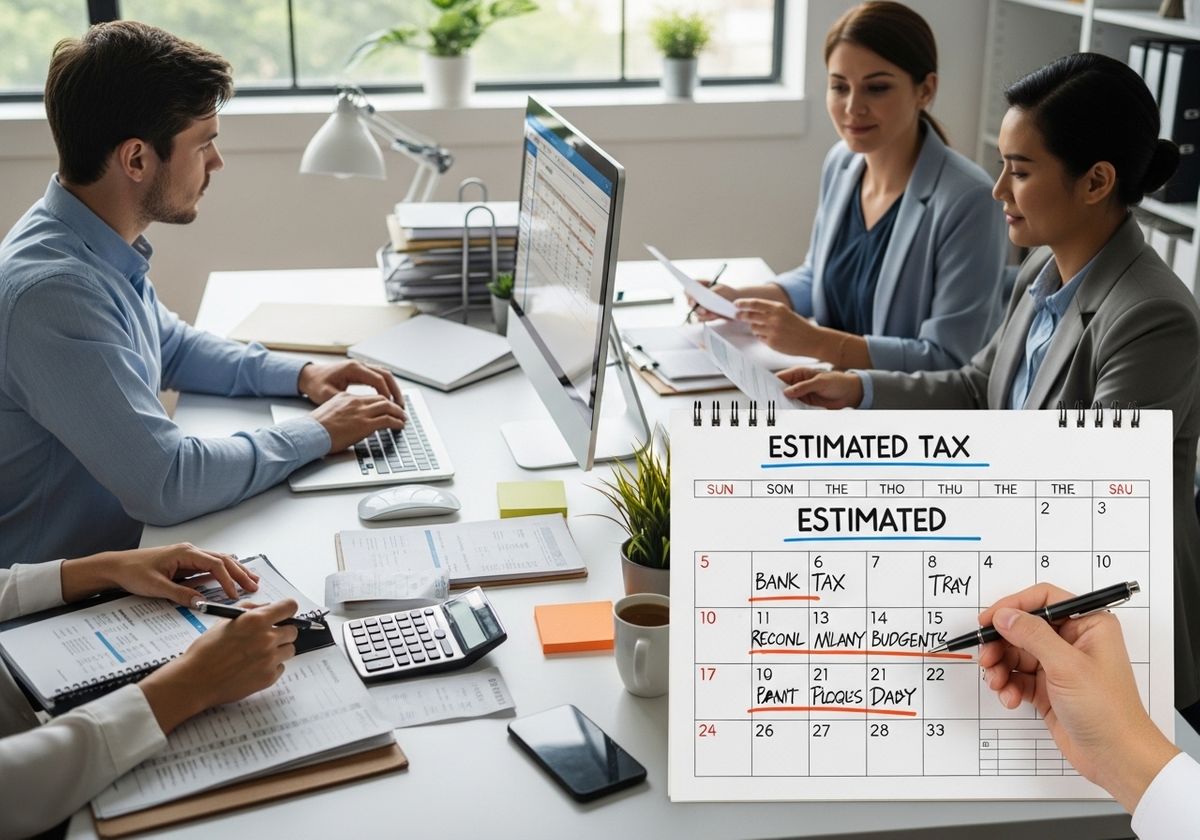
If you're self-employed or own a small business, you may be required to pay estimated taxes throughout the year. These taxes are typically paid quarterly and cover income tax, self-employment tax, and other taxes. Failing to pay estimated taxes can result in penalties, so it's essential to plan and budget accordingly. Many small business owners in Texas and Tennessee find small business bookkeeping services invaluable when it comes to quarterly tax planning.

Seek Professional Assistance
Consider seeking assistance from a qualified tax professional or accountant. A professional can provide valuable guidance, help you navigate complex tax laws, and ensure that you're taking advantage of all available deductions and credits. Additionally, a tax professional can represent you in case of an audit or other tax-related issues.
Preparing for tax season requires careful planning, organization, and attention to detail. By following these steps, you can streamline the tax preparation process, minimize errors, and potentially reduce your tax liability. Remember, Your business is our bottom line at Perfect Balance Bookkeeping & Tax Services. Contact us today to learn more about our small business bookkeeping and tax services and how we can help you achieve financial success. We strive to provide personalized service, working closely with clients to understand their needs and offer customized solutions. Consider scheduling a consultation to explore how Perfect Balance Bookkeeping & Tax Services can support your business through tax season and beyond.